
blog
welcome to the
Ultimate Olympic National Park Elopement Guide 2026
Planning an Olympic National Park elopement can feel overwhelming with so many epic landscapes and logistics to consider. This ultimate 2026 guide walks you through everything you need to know — from choosing locations and applying for permits to sample timelines and photography tips — so you can plan a meaningful, intentional wedding day in one of Washington’s most breathtaking national parks.
Why Choose Olympic National Park for Your Elopement
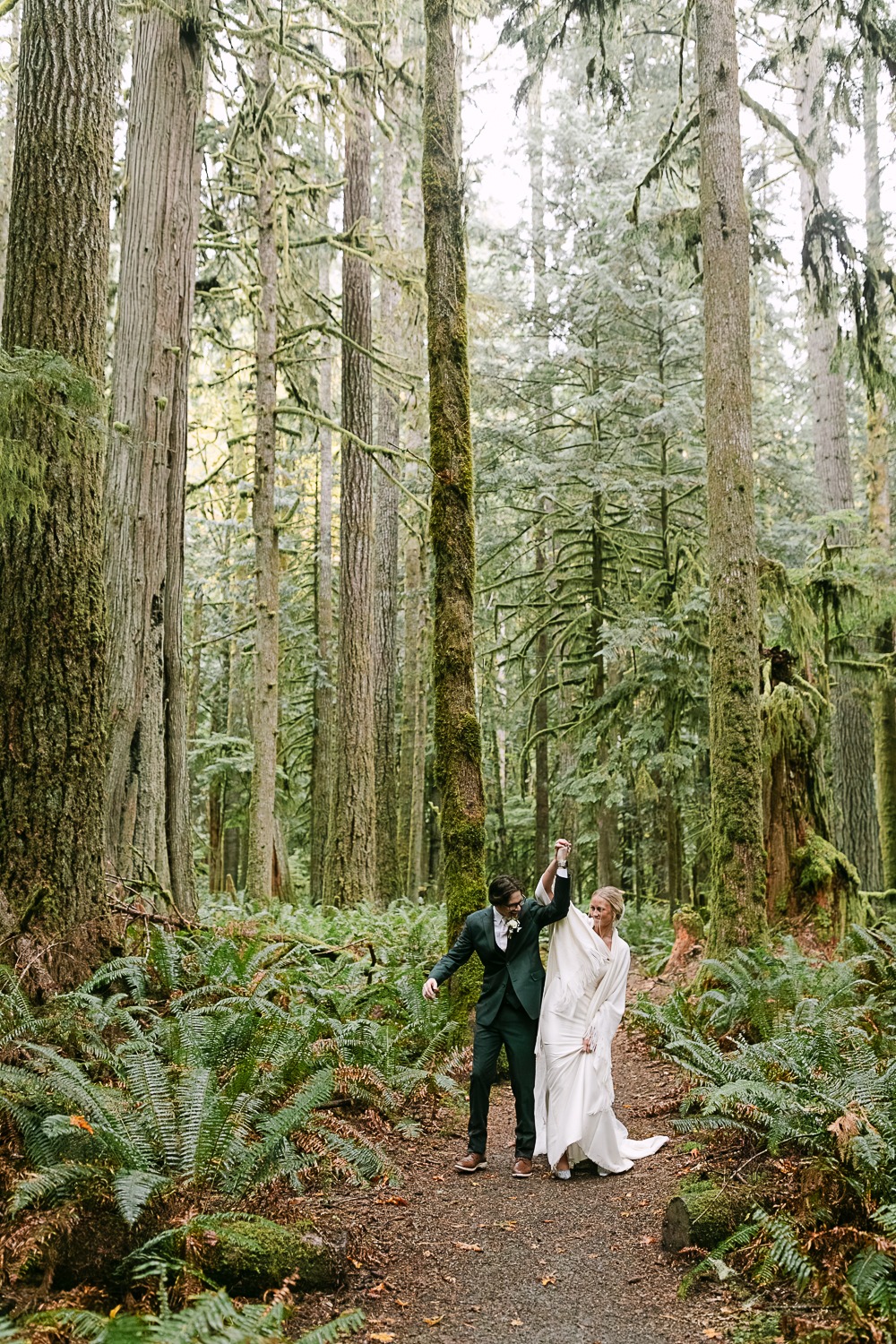
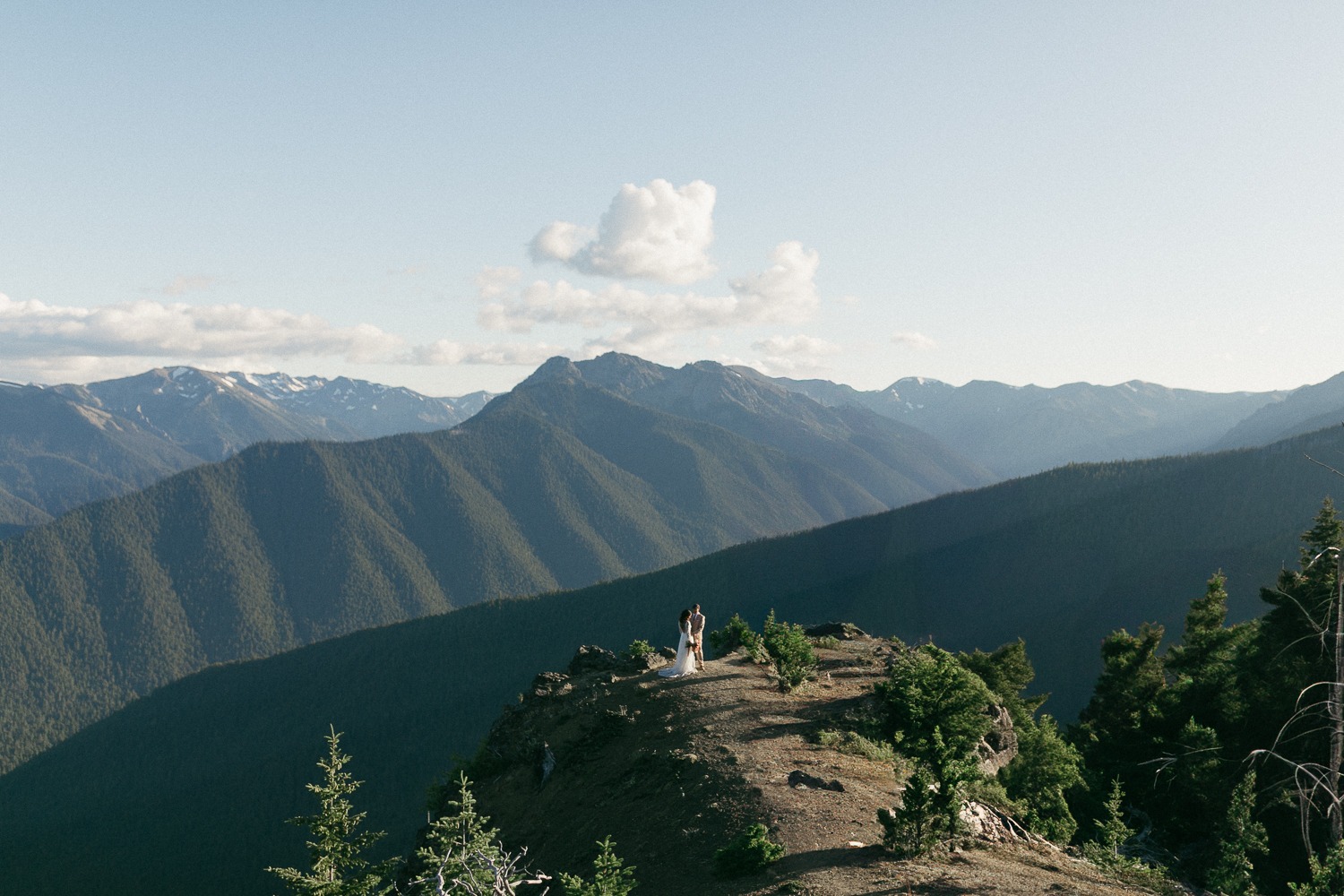
Olympic National Park offers one of the most diverse and dramatic landscapes in the country, making it an incredible place to elope. Within a single day, you can experience moss covered rainforests, rugged Pacific coastline, crystal clear lakes, and sweeping mountain views.
For couples who want a wedding day that feels intimate, grounded, and deeply connected to nature, Olympic National Park creates space to slow down and be fully present. Whether you envision exchanging vows beneath towering evergreens, along a quiet beach at sunrise, or beside an alpine lake, the park allows you to shape a day that reflects who you are and what matters most to you.
Another reason couples choose to elope here is flexibility. Olympic National Park offers locations that are easily accessible for families and others that feel remote and adventurous, allowing you to balance comfort with exploration depending on your priorities.
What Makes Olympic National Park Unique for Elopements
Unlike many national parks, Olympic National Park offers an incredible range of environments in close proximity. This means you can design a wedding day that includes multiple locations without spending hours driving. It also allows for backup options if weather shifts, which is especially helpful in Washington.
From foggy beaches to lush forests and peaceful lakes, Olympic National Park is ideal for couples who want their elopement to feel intentional, untraditional, and rooted in the landscape around them.
Olympic National Park Elopement Permits
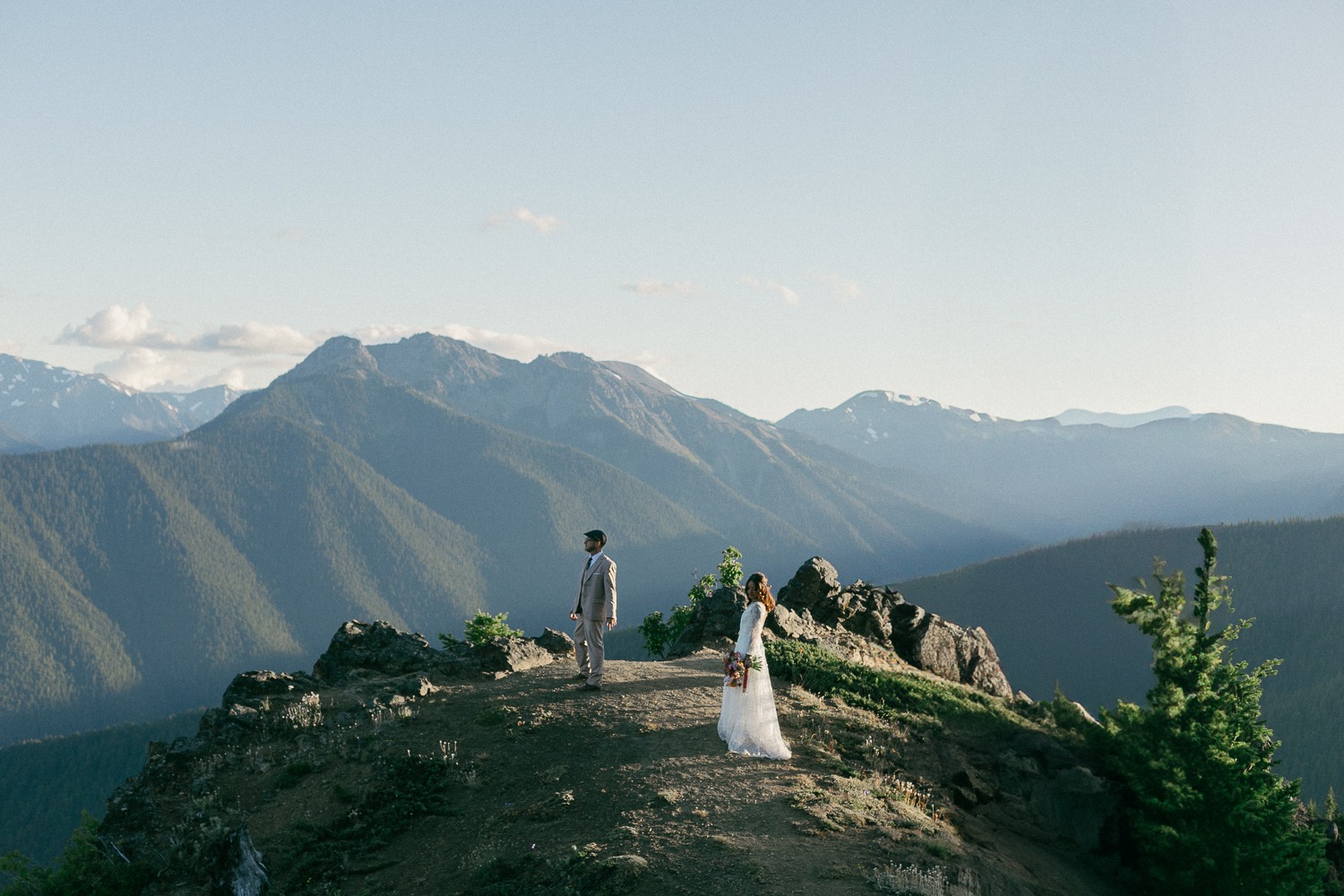
Olympic National Park has specific rules in place to protect the land and manage visitor use, and understanding permit requirements is an important part of planning your elopement. Whether or not you need a permit depends on the size of your ceremony and how you plan to use the space.
In many areas of the park, ceremonies with five people or fewer total (including the couple, photographer, officiant, and any guests) may not require a Special Use Permit. However, if your ceremony includes six people or more, a permit is required and must be approved in advance.
Permits help the park manage crowd flow and protect sensitive areas, and requirements can vary by location, season, and activity. Because guidelines occasionally change, it’s important to confirm current regulations when planning your date.
How to Apply for a Permit
Special Use Permits are submitted through Olympic National Park and should be applied for as early as possible, especially if you are planning a summer or fall elopement. Some locations within the park have restrictions or capacity limits, and permits are issued on a first come basis.
When you apply, you’ll be asked to provide details such as your ceremony location, date, group size, and any special elements you’re planning. If your plans change, permits can often be modified, but approval is not guaranteed for every location.
All elopements in the park require a special use permit. Applications can be submitted through the park’s official website, and it’s best to apply early because permits can fill up quickly, especially in the peak summer months.
Do You Need a Permit If You’re Just Taking Photos?
Photography alone does not typically require a permit for small elopements, but once a ceremony is involved, park regulations apply. Even if you are planning a very simple vow exchange, it’s important to confirm whether your plans qualify as a ceremony under park guideline
Permit Costs and Timelines
Fees vary depending on location and group size. Typically, expect a fee between $50–$150. Permits should be requested at least 2–3 months in advance, though applying earlier is always safer for popular spots.
Rules and Regulations for Ceremonies
-
Maximum guest counts are limited depending on location.
-
Amplified music or elaborate decorations are often restricted.
-
Leave no trace: all trash must be packed out.
Following the park rules ensures your ceremony goes smoothly and keeps these spaces beautiful for future couples.
Best Elopement Locations in Olympic National Park
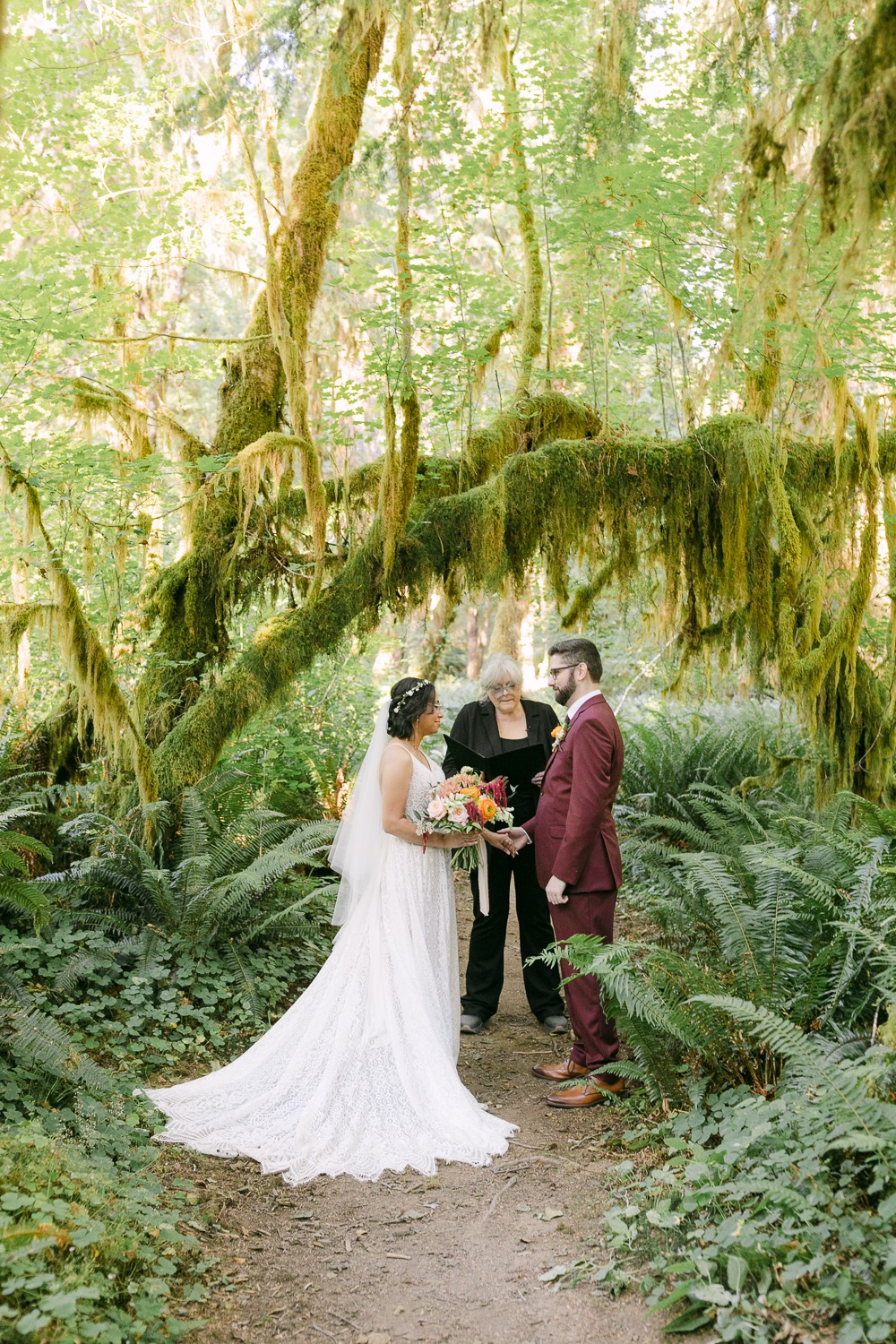
lympic National Park offers a wide range of ceremony locations, each with its own personality and feel. Choosing the right spot depends on accessibility, scenery, privacy, and how you want your day to flow. Some locations are ideal for a quiet, easy ceremony with family, while others feel more adventurous and remote.
Below are some of the most popular and meaningful areas for elopements within the park, along with what makes each one unique.
Lake Crescent
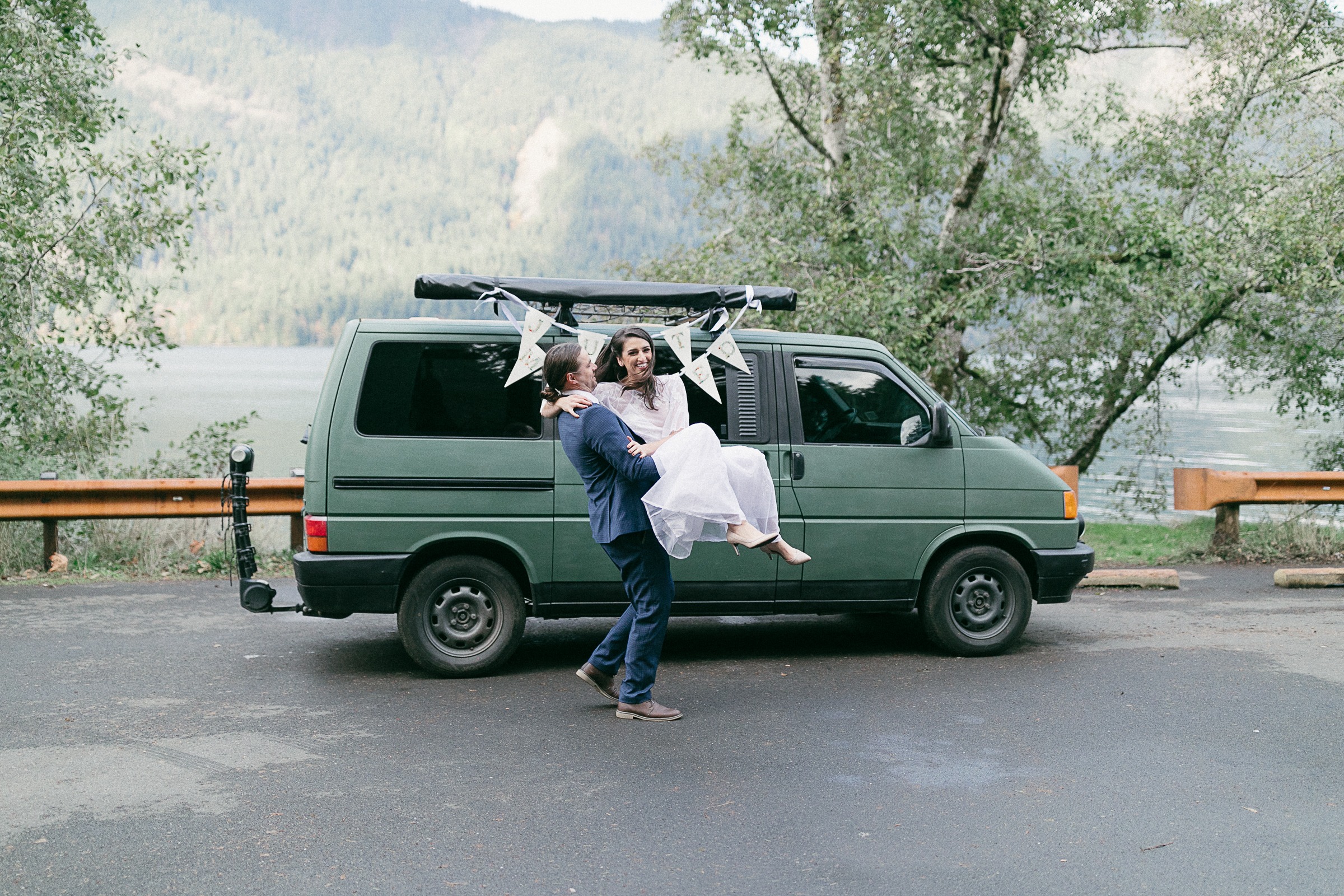
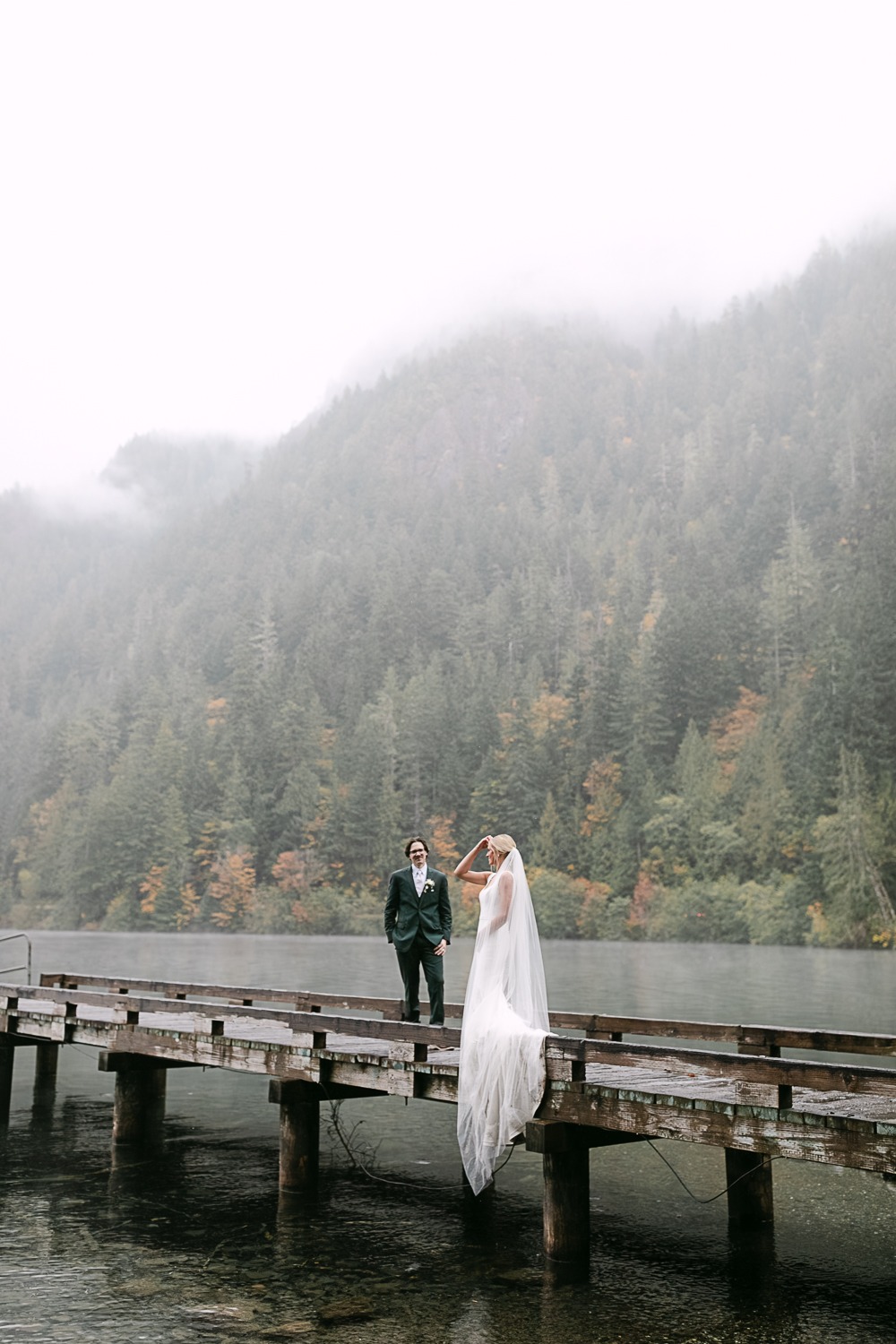
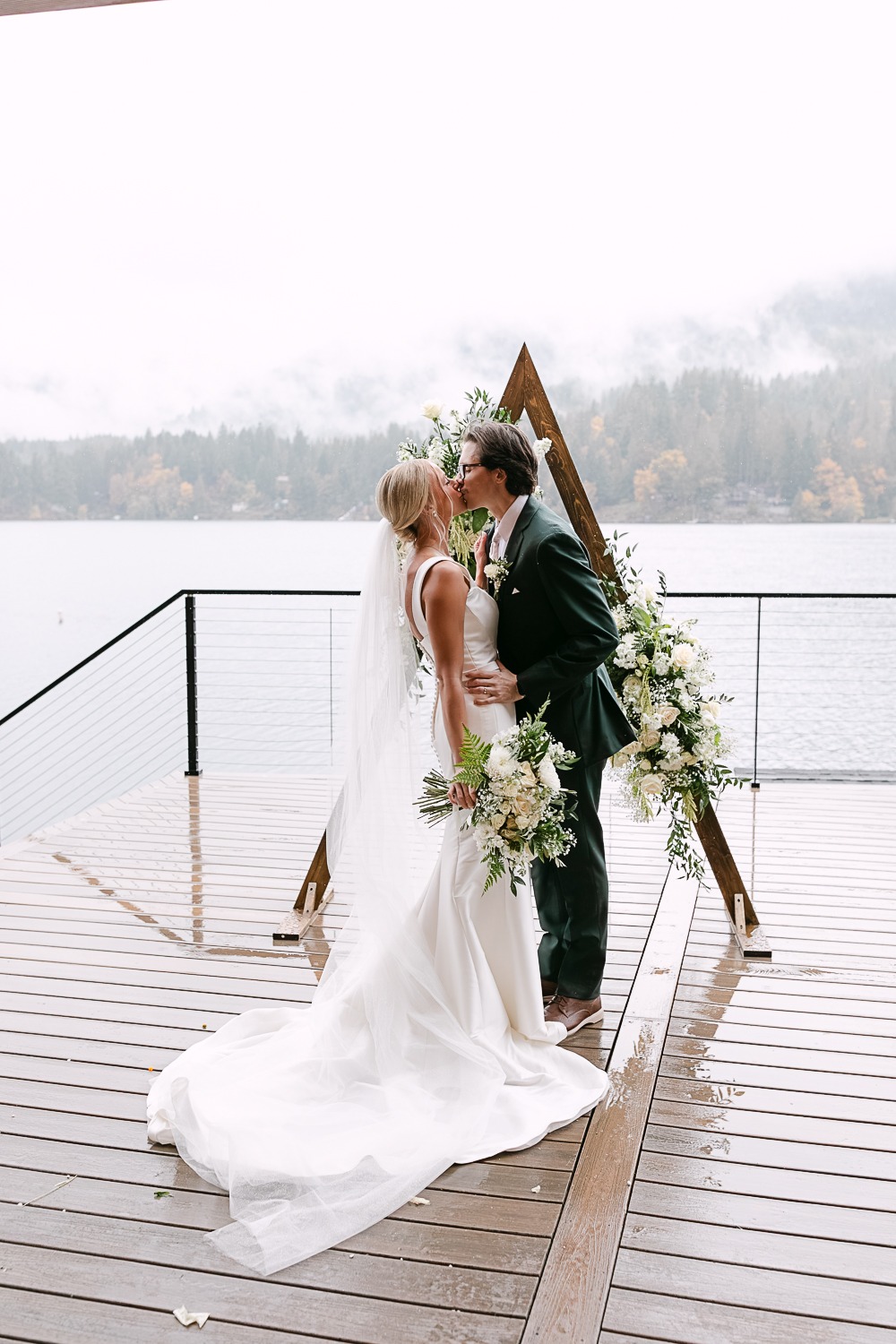
Lake Crescent is perfect for couples seeking a serene lakefront ceremony. The still waters reflect the surrounding forest and mountains, creating stunning photography opportunities. Check out our this Lake Crescent Elopement for more info!

Ruby Beach
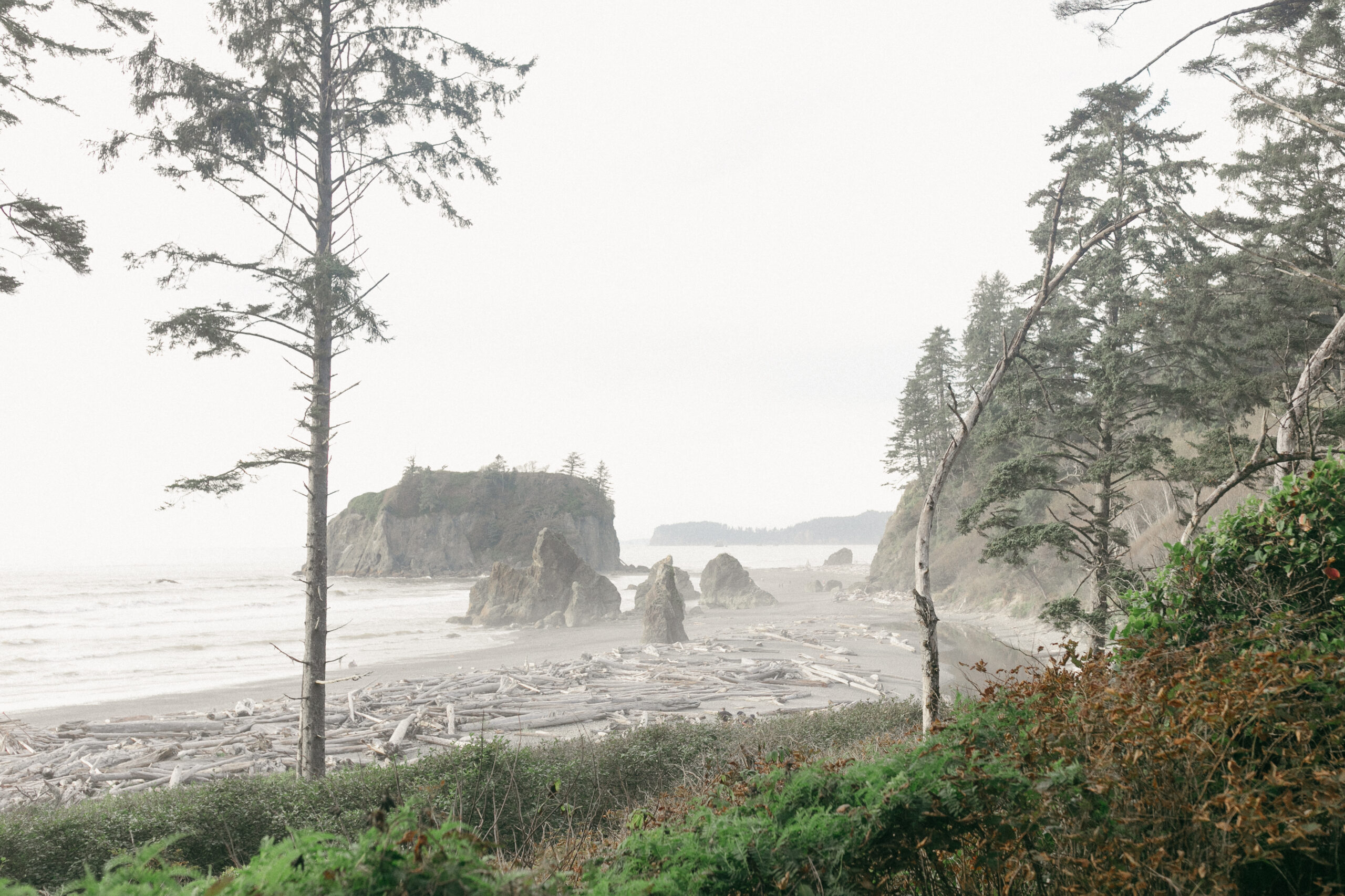
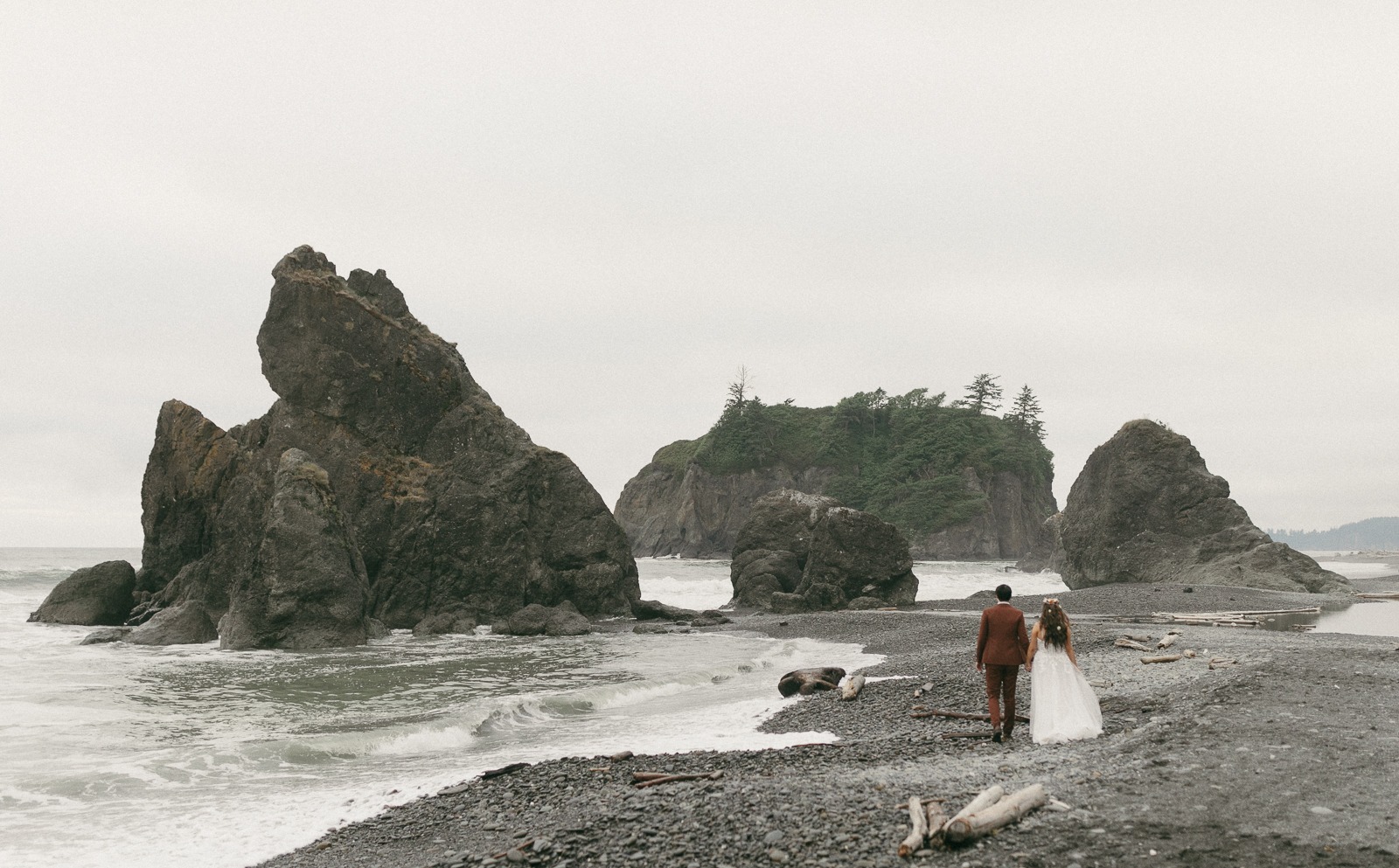
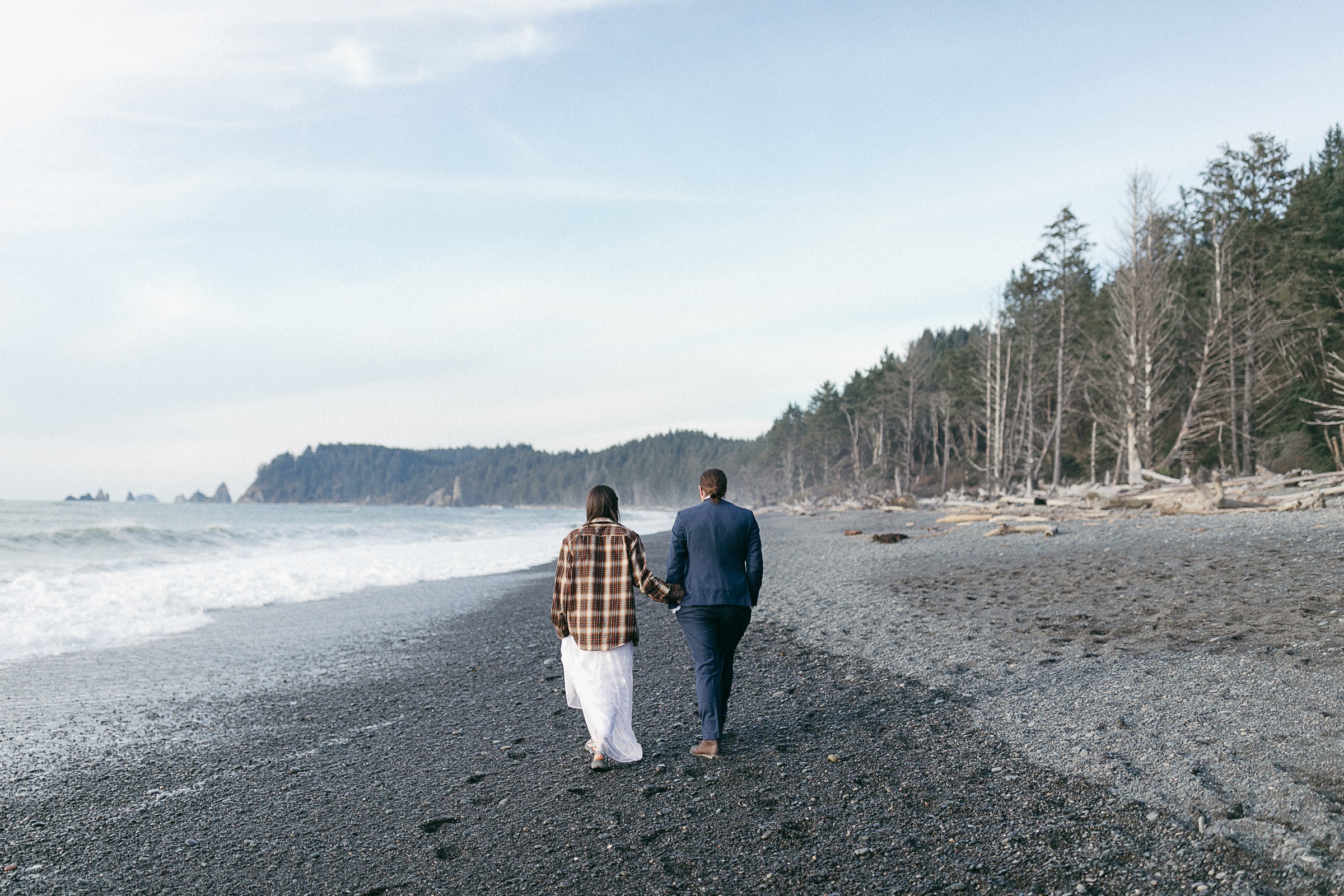
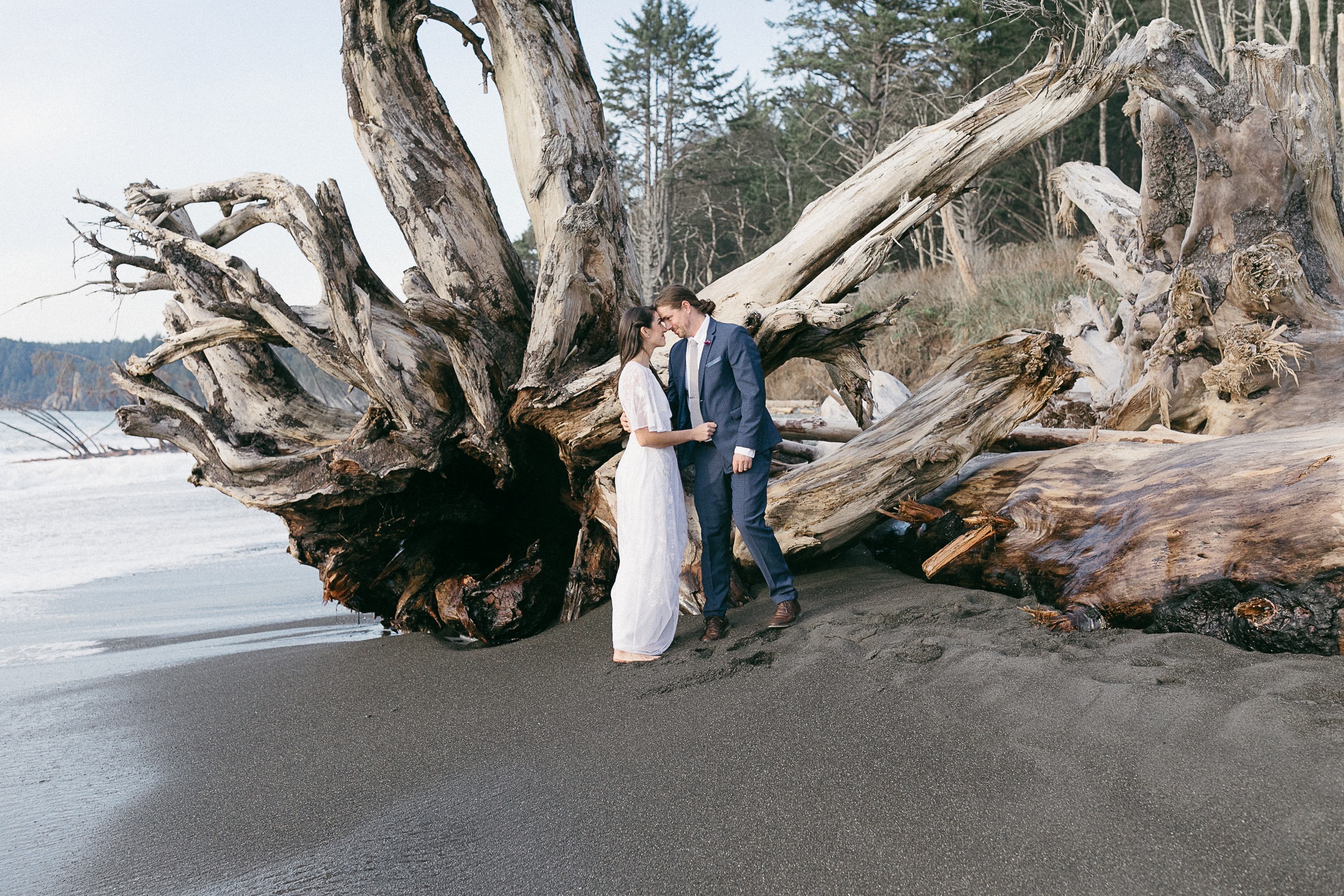
Ruby Beach is iconic for its dramatic sea stacks and tide pools. Sunrise or sunset creates ethereal light, making it ideal for photos that feel both adventurous and intimate.
La Push Beaches
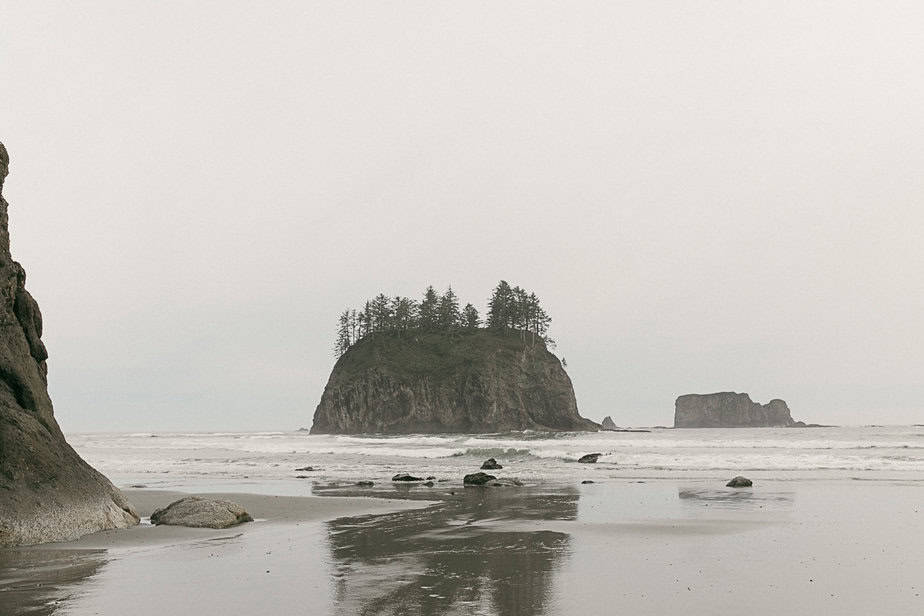
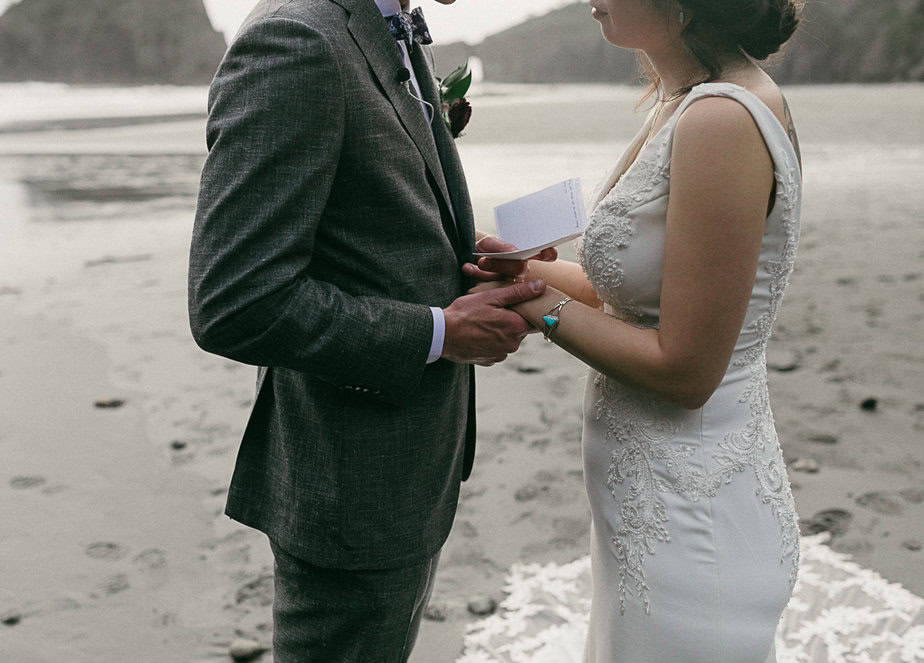
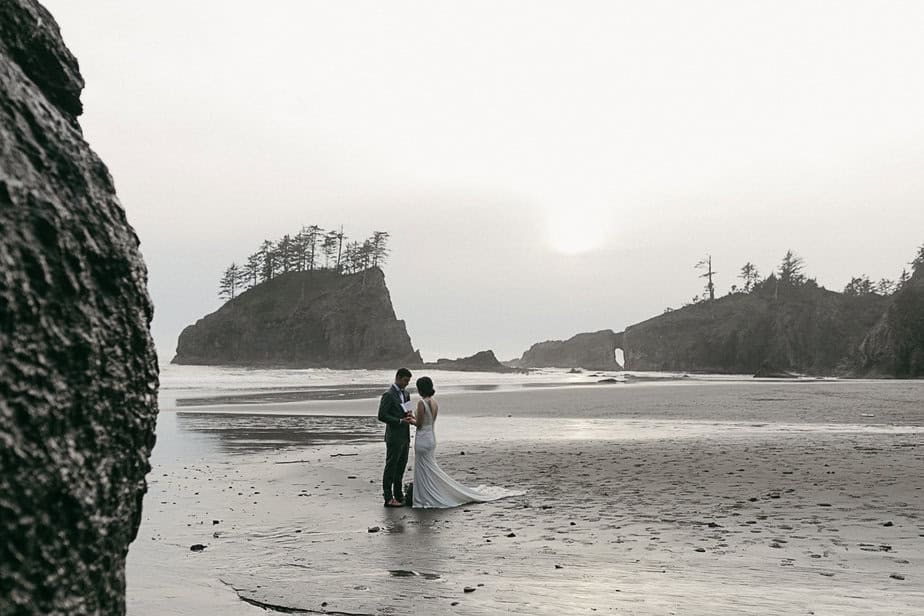
La Push offers three distinct beaches. Each has its own personality:
-
First Beach: Easy access, perfect for smaller gatherings
-
Second Beach: More remote, with lush forest access
-
Third Beach: Requires a hike, but offers breathtaking cliffs and tide pools
For a detailed guide on La Push, check out our Guide to La Push Elopement Guide!
Kalaloch and Hidden Gems
Kalaloch overlooks the Pacific and is ideal for couples who want dramatic coastline views without hiking. Other hidden gems in the park include Sol Duc Hot Springs, Hoh Rainforest clearings, and the less-visited coastal trails.
Forest Elopements in Olympic National Park
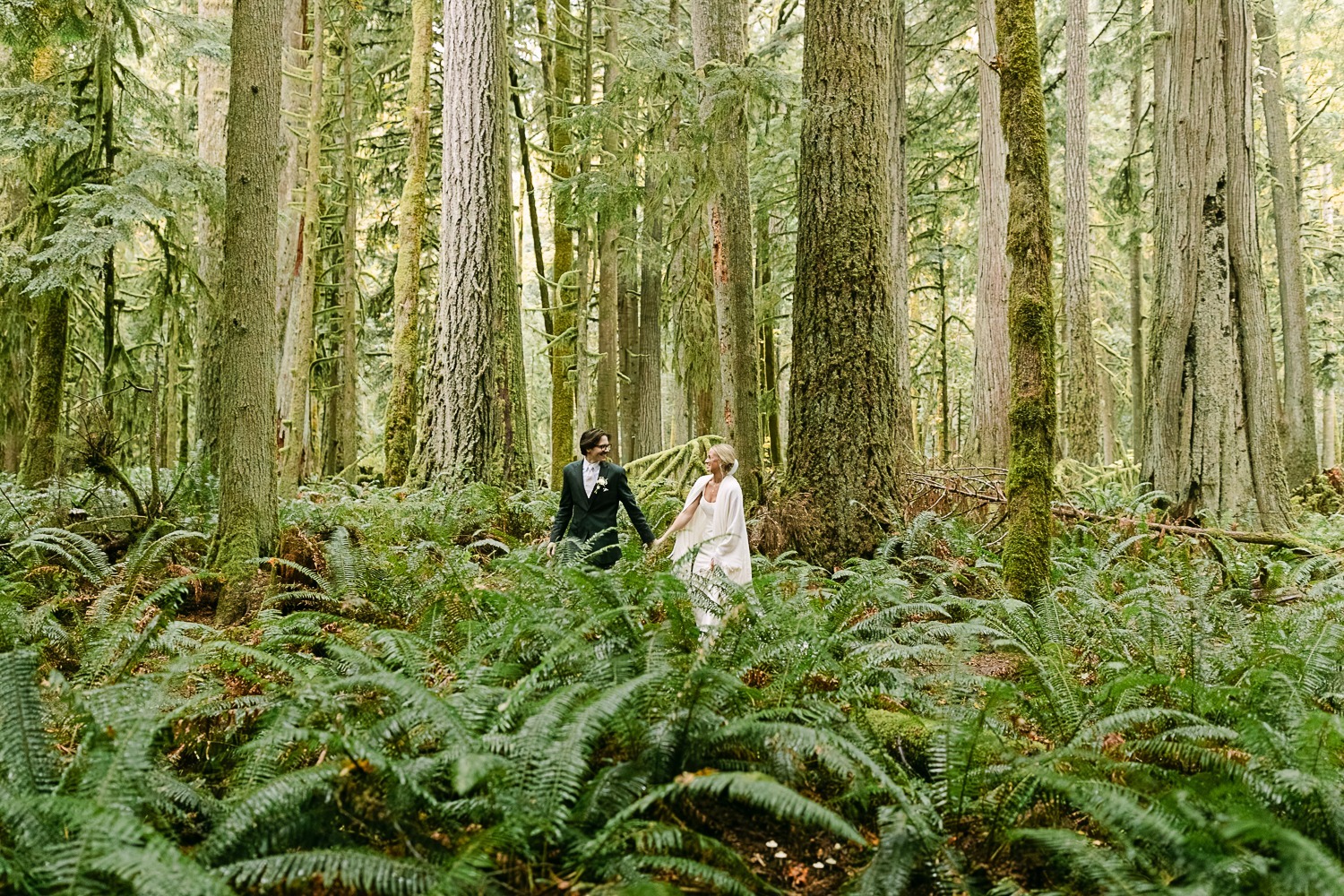
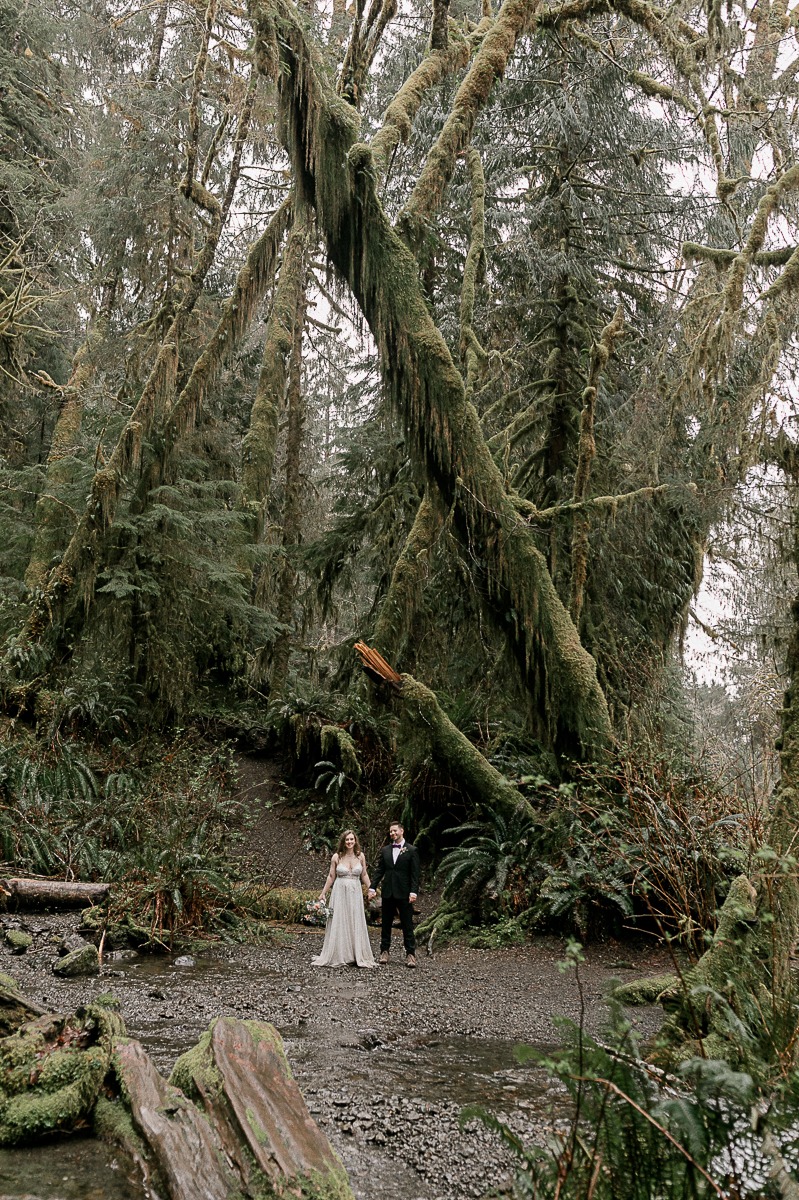
The temperate rainforests of Olympic National Park are known for towering trees, moss covered ground, and soft, filtered light. Forest elopements are perfect for couples who want a peaceful, intimate atmosphere that feels grounded and timeless.
These locations tend to be quieter than beaches during peak season and are often accessible with short walks, making them a great option for couples who want privacy without strenuous hiking.
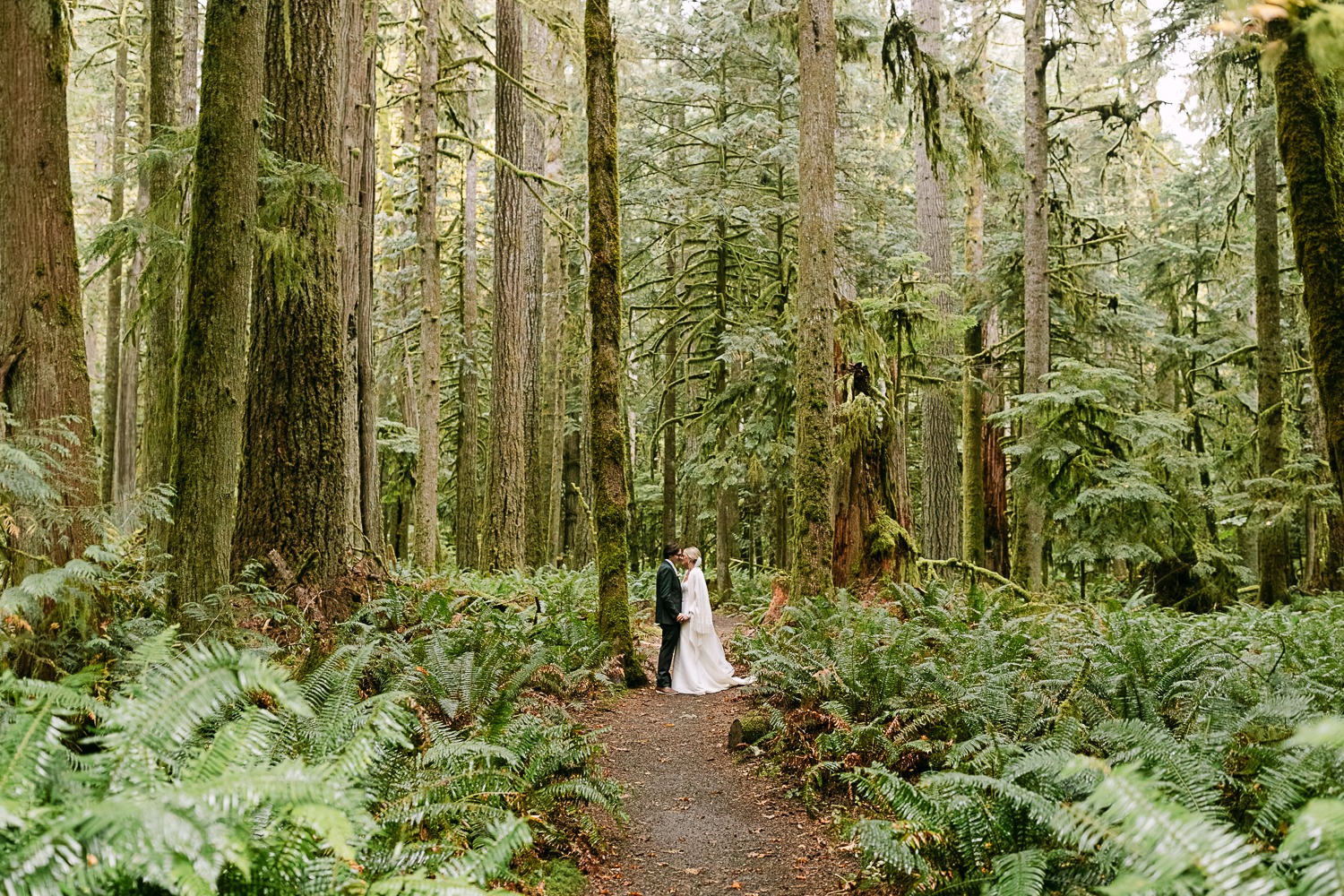
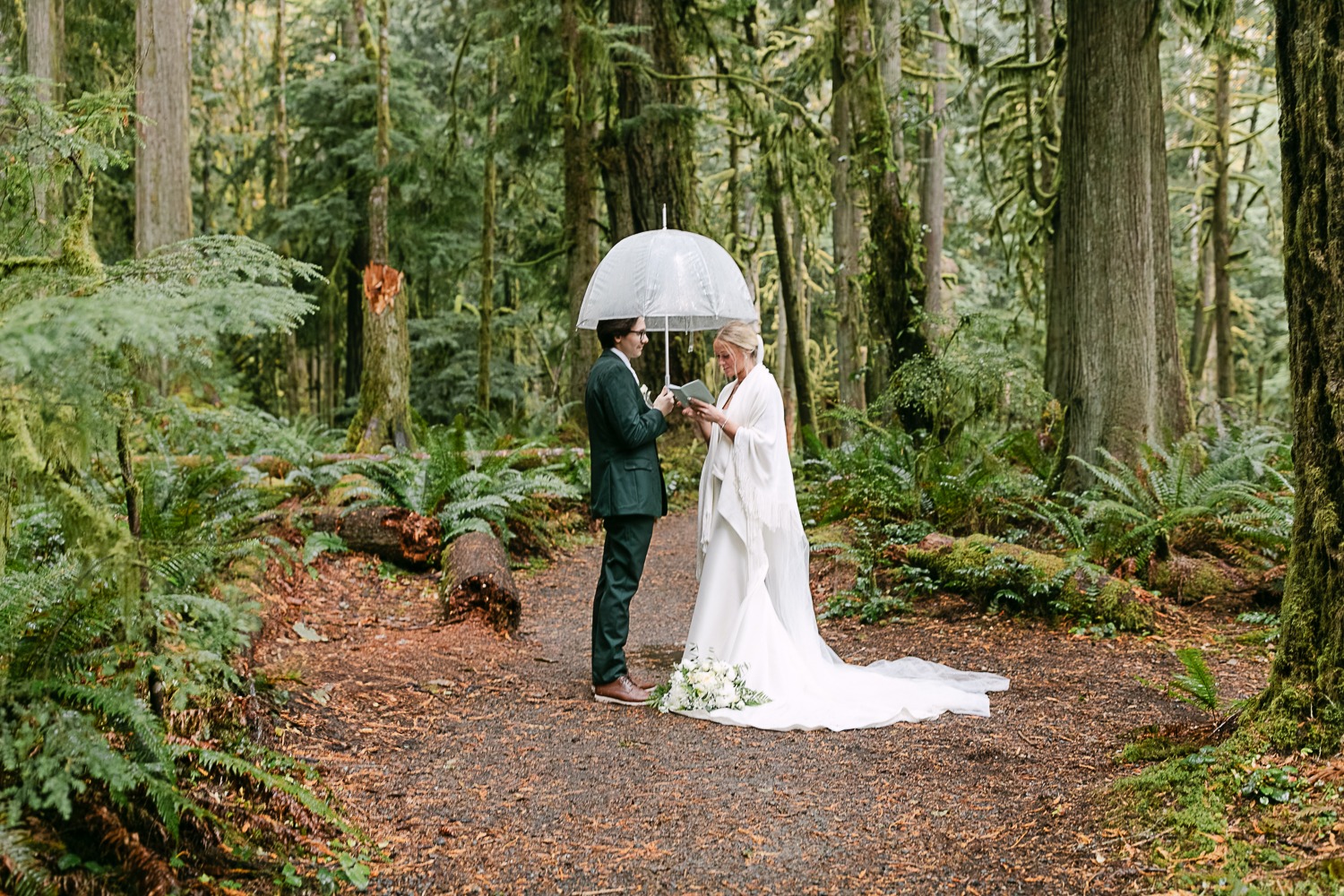
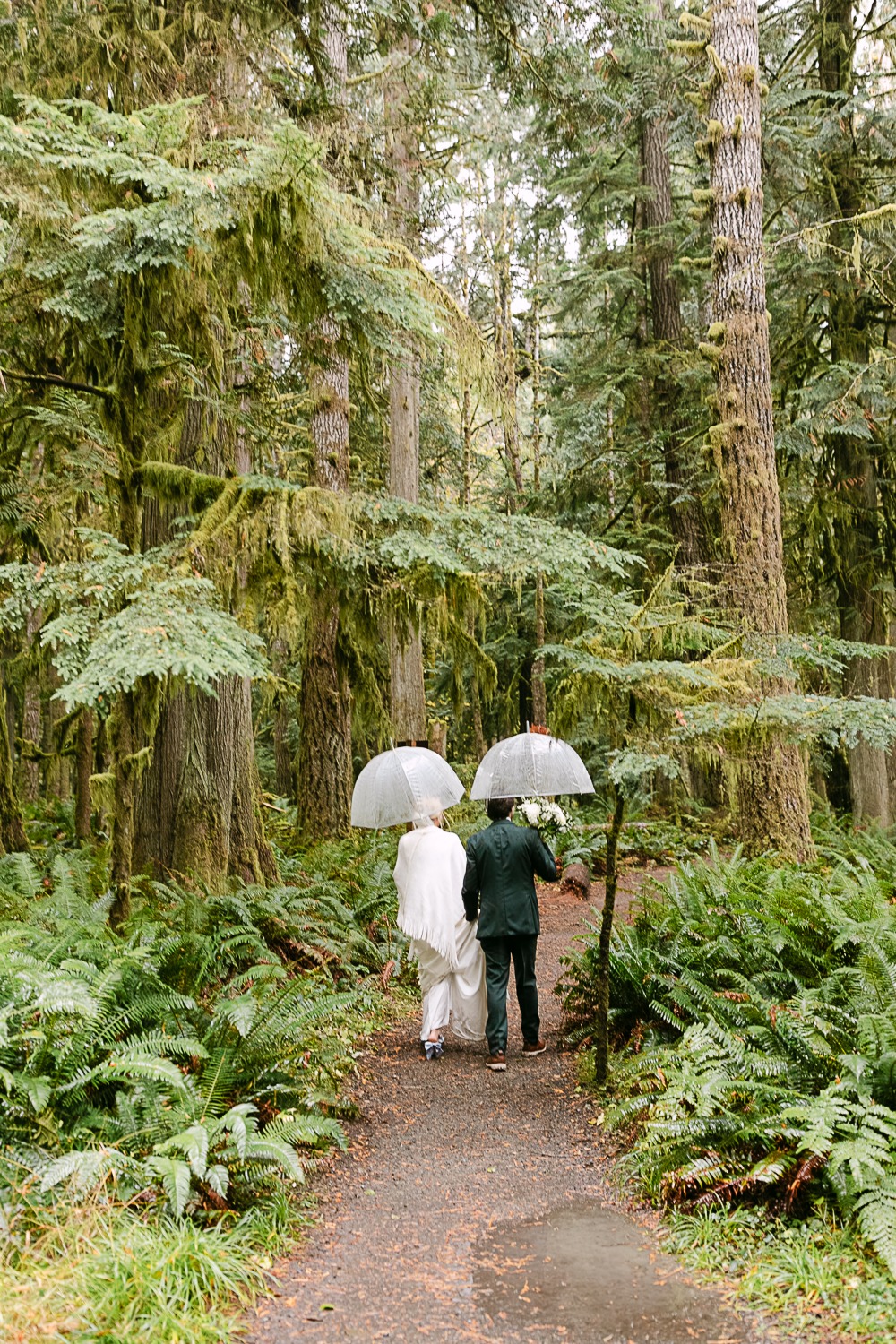
Because Olympic National Park has specific regulations around ceremonies and group size, not every scenic spot is approved for elopements. Working with someone who understands location rules, seasonal access, and crowd patterns can make a significant difference in how your day unfolds.
Planning Your Olympic National Park Elopement
Olympic National Park is beautiful year round, but each season offers a very different experience. Weather, accessibility, crowds, and overall mood all shift throughout the year, so choosing the right season depends on what you value most for your elopement day.
Below is a breakdown of what to expect in each season when eloping in Olympic National Park.
Ideal Seasons and Timing
The Pacific Northwest is most accessible from late spring to early fall. July and August are the warmest, but early morning or late evening ceremonies avoid crowds and capture the best light for photography.
Spring Elopements in Olympic National Park
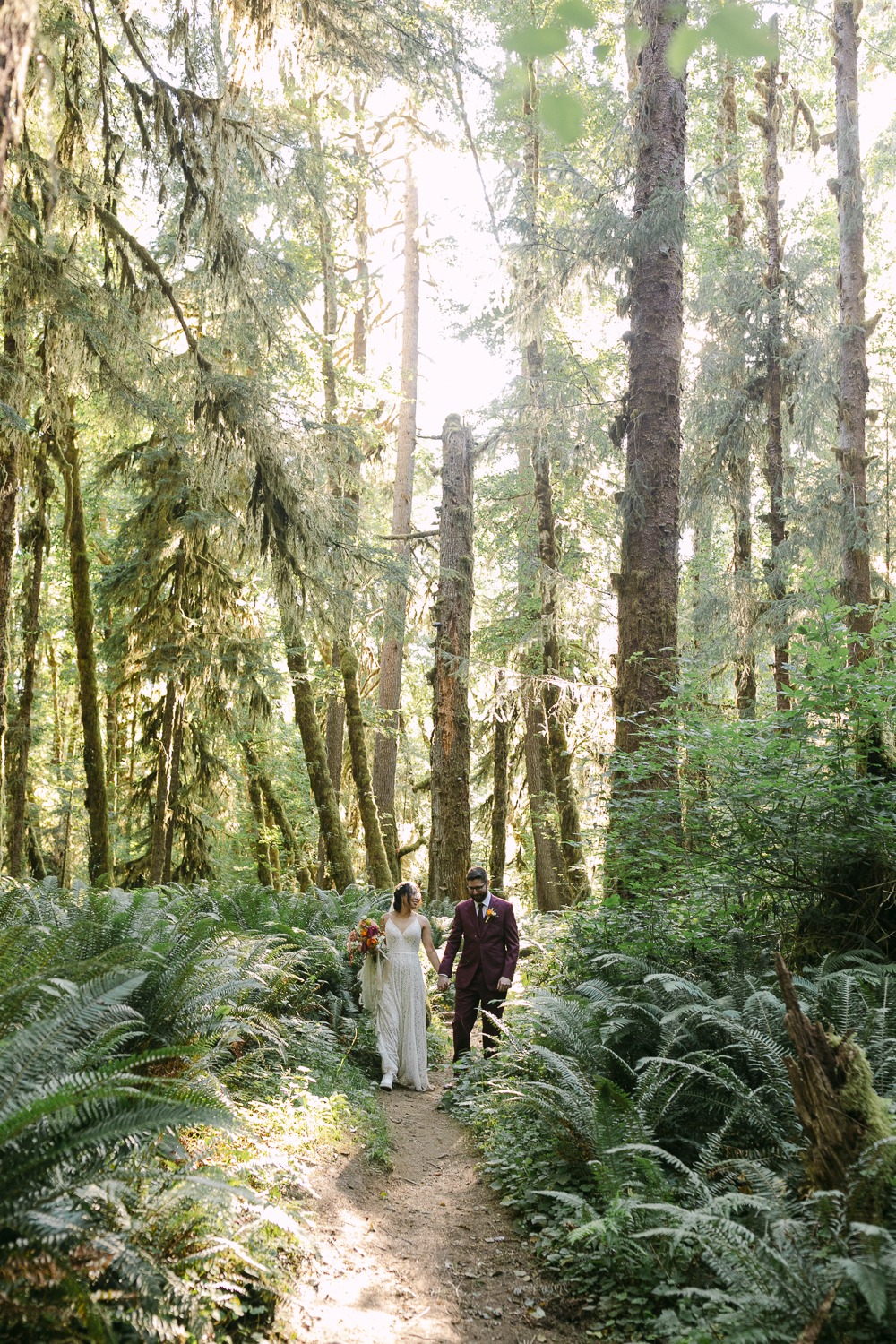
Spring brings lush greenery, flowing waterfalls, and fewer crowds compared to peak summer months. Rain is common, especially in the rainforest and along the coast, but the landscape feels alive and vibrant.
This season is ideal for couples who are comfortable with unpredictable weather and want a quieter, more intimate experience. Some higher elevation areas may still be inaccessible due to snow.
Summer Elopements in Olympic National Park
Summer offers the most consistent weather and the widest access to locations throughout the park. Mountain roads are typically open, and days are long, allowing for flexible timelines.
This is also the busiest time of year, particularly at popular locations. Sunrise ceremonies and weekday elopements help avoid crowds and create a more private experience.
Fall Elopements in Olympic National Park
Fall brings cooler temperatures, fewer visitors, and a softer, moodier atmosphere. Forests remain green, and coastal fog becomes more common, adding depth and emotion to photos.
This season is ideal for couples who want a quieter experience while still maintaining access to most areas of the park, especially in early fall.
Winter Elopements in Olympic National Park
Winter elopements offer a peaceful and dramatic experience with minimal crowds. Snow may be present in higher elevations, while lower areas remain accessible with proper preparation.
This season works best for couples who are flexible and open to adapting plans based on weather conditions. Winter elopements often feel deeply intimate and intentional.
No matter the season, planning your elopement around crowd patterns and daylight hours can make a significant difference. Choosing a weekday, sunrise timing, or lesser known location helps create a calmer and more meaningful experience.
Sample Olympic National Park Elopement Timeline
One of the biggest benefits of eloping in Olympic National Park is the flexibility to create a timeline that feels relaxed and intentional. Rather than rushing from place to place, your day can unfold slowly, allowing space to be present and enjoy each moment.
This sample timeline is designed to avoid crowds, make the most of natural light, and allow for multiple locations when possible. Timelines can always be adjusted based on season, weather, and accessibility.
Sample Elopement Day Timeline
-
8:00 AM: Hair and makeup
-
10:00 AM: Travel to ceremony location
-
11:00 AM: Ceremony and vows
-
11:30 AM: Photos around the site
-
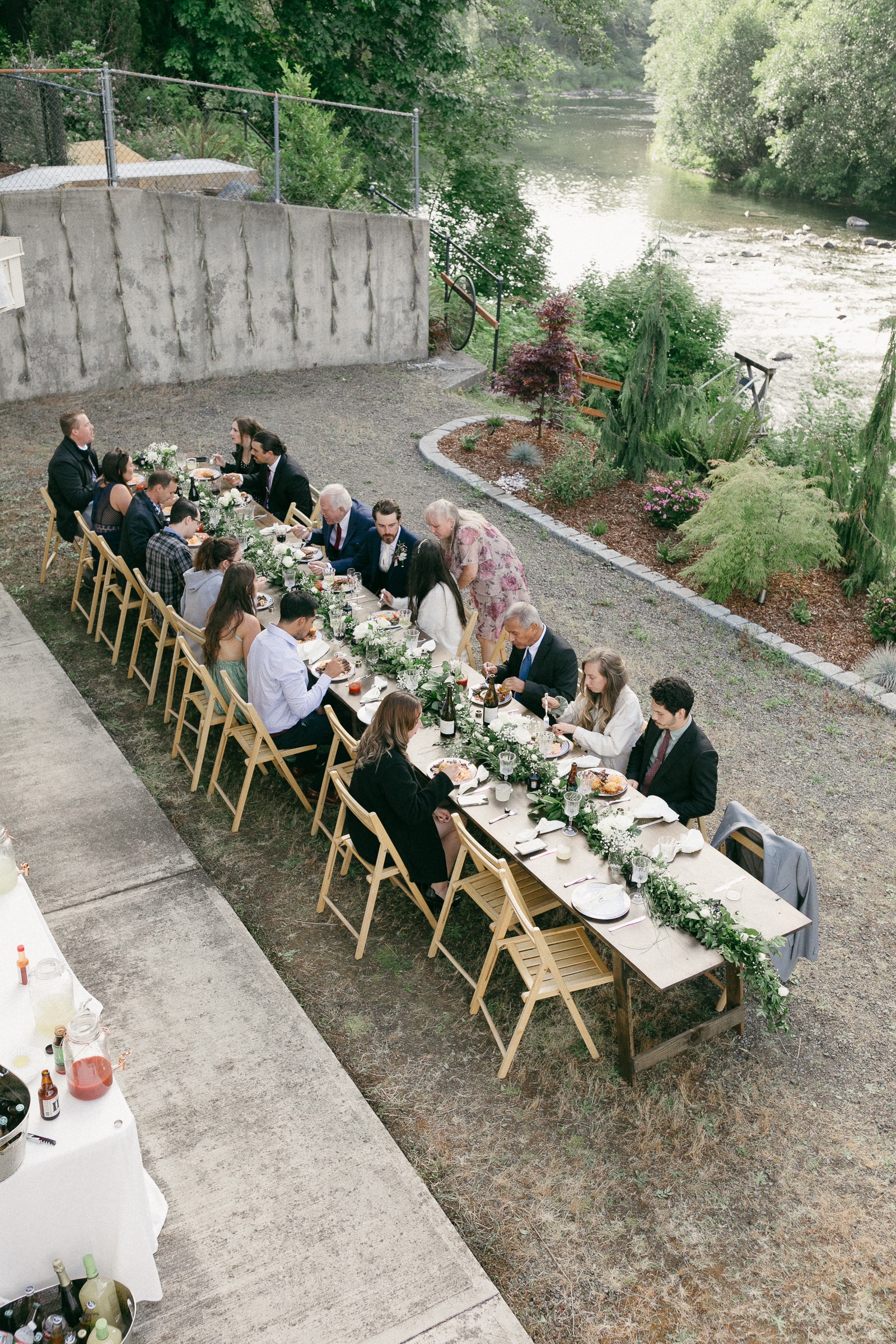
1:00 PM: Picnic or small reception if allowed
-
3:00 PM: Sunset photos at a secondary location
Adjust your schedule depending on travel time between sites and weather conditions.
Building in extra time between locations helps your day feel calm rather than rushed. Weather, parking, and walking distances can all impact timing, so flexibility is key when planning an Olympic National Park elopement.
What to Wear and Pack for an Olympic National Park Elopement
Planning what to wear and bring for your Olympic National Park elopement is just as important as choosing your location. Weather can change quickly, terrain varies by area, and comfort plays a huge role in how your day feels. Being prepared allows you to stay present and enjoy the experience without stress.
Packing thoughtfully helps your elopement day run smoothly. Weather, wind, and walking distances are all factors to consider when preparing your bag.
Items to bring often include layers, comfortable walking shoes, water, snacks, and any personal items you want to incorporate into your ceremony. For coastal elopements, checking tide charts ahead of time is also important.
It’s always better to be slightly over prepared than caught off guard, especially in a national park setting.
Packing Tips for Couples
-
Waterproof jackets and layers
-
Hiking boots or sturdy shoes
-
Blanket or picnic for intimate celebrations
-
Portable bouquet or small floral arrangements
Thoughtful preparation allows you to focus on your connection and experience rather than logistics. Packing and dressing with intention creates space for a relaxed and meaningful elopement day.
Photography Tips for Your Elopement
-
Consider hiring a photographer experienced in adventure weddings. I help couples navigate tricky terrain and unpredictable weather to capture natural, intimate moments.
-
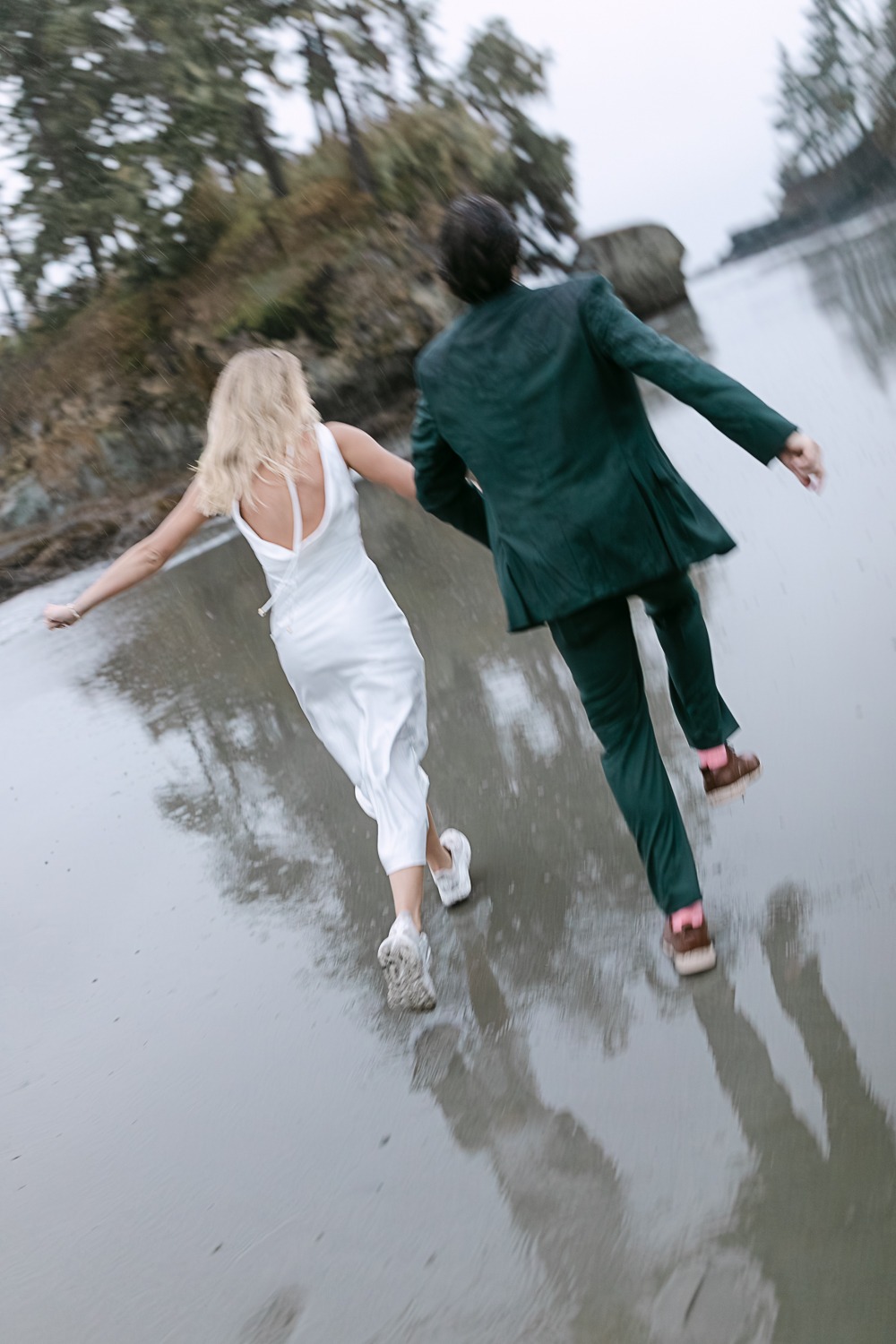
Golden hour light is ideal for photos on beaches or lakefronts.
No matter the season, planning your elopement around crowd patterns and daylight hours can make a significant difference. Choosing a weekday, sunrise timing, or lesser known location helps create a calmer and more meaningful experience.
Local Vendors and Microwedding Venues
Venues for Small Weddings
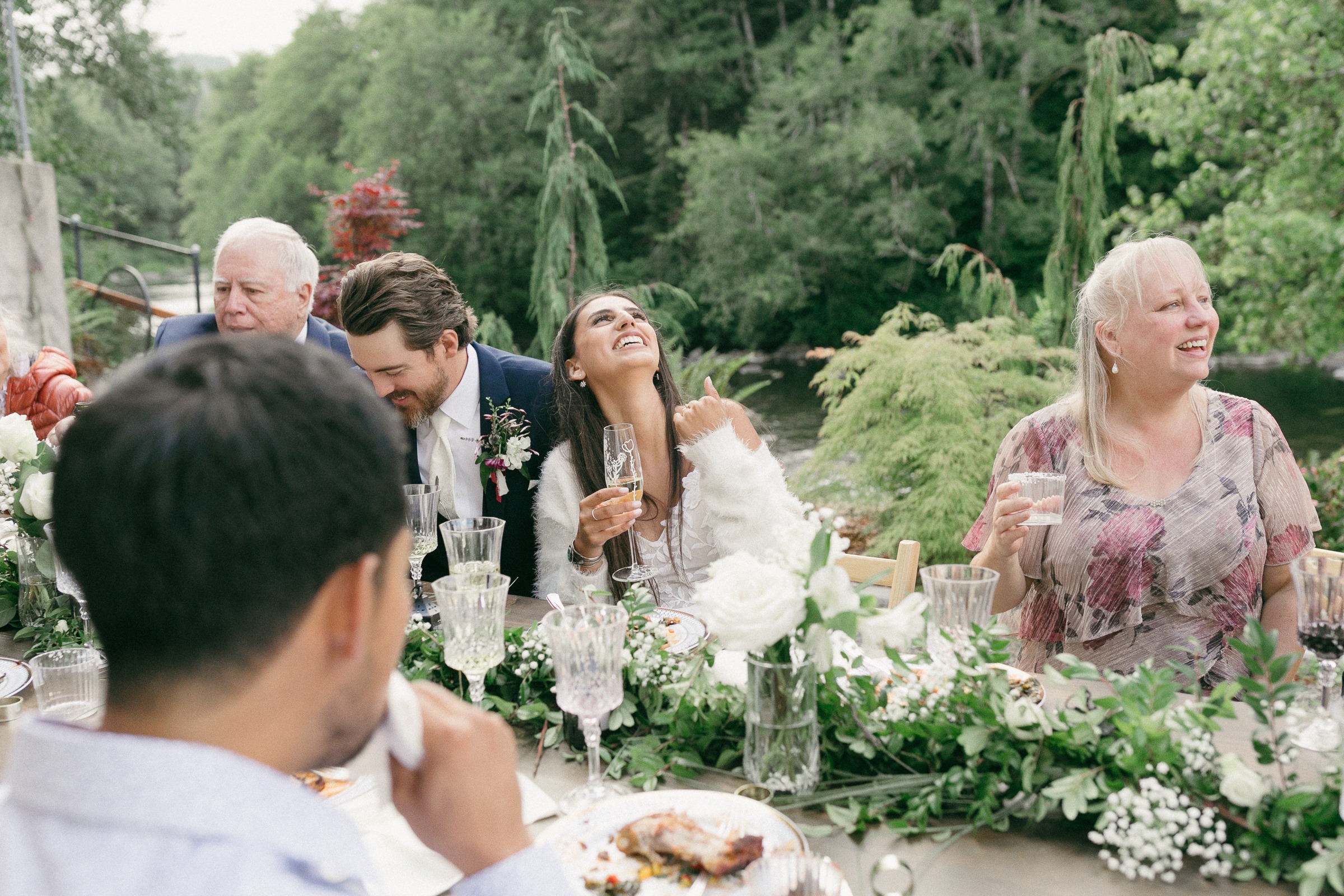
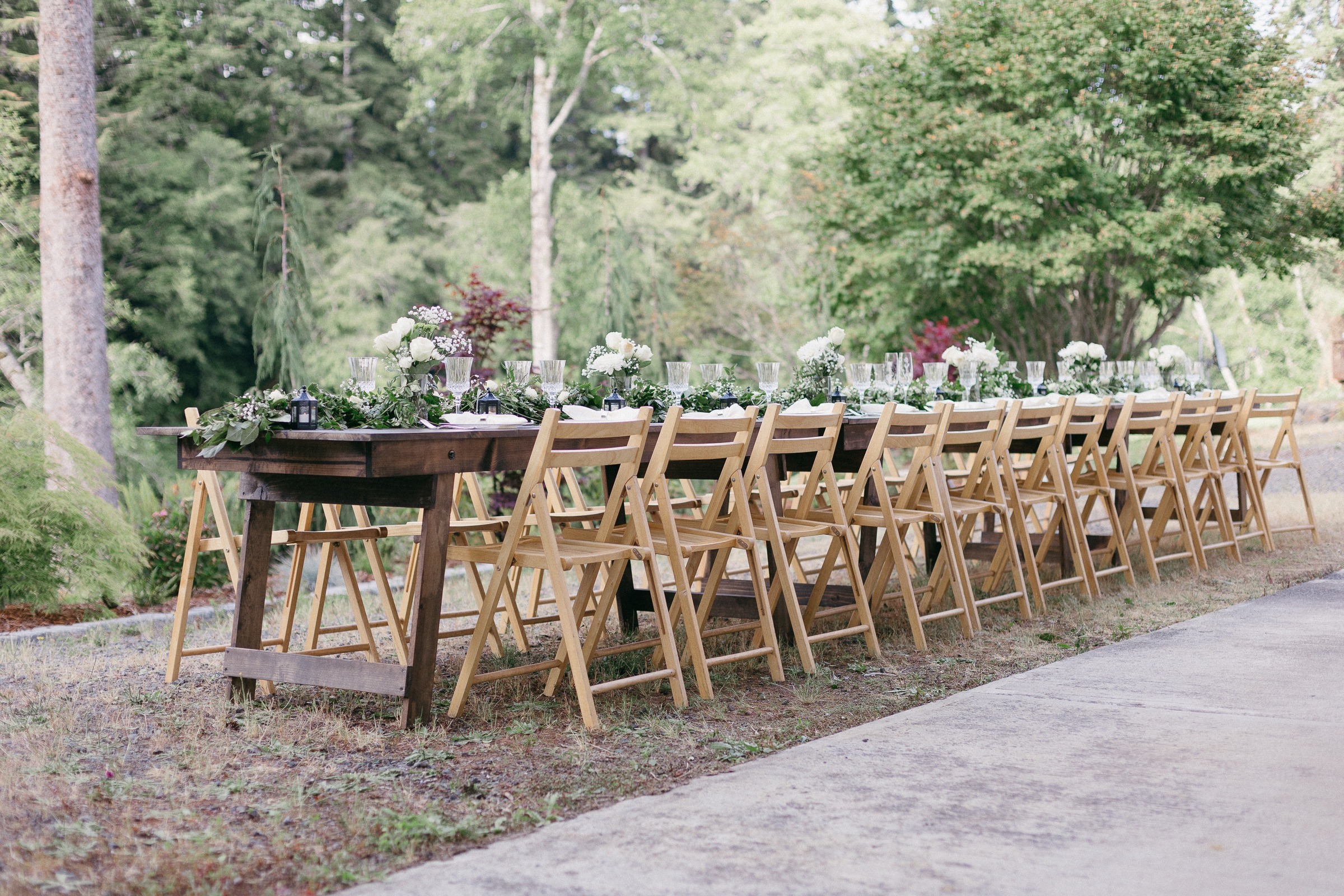
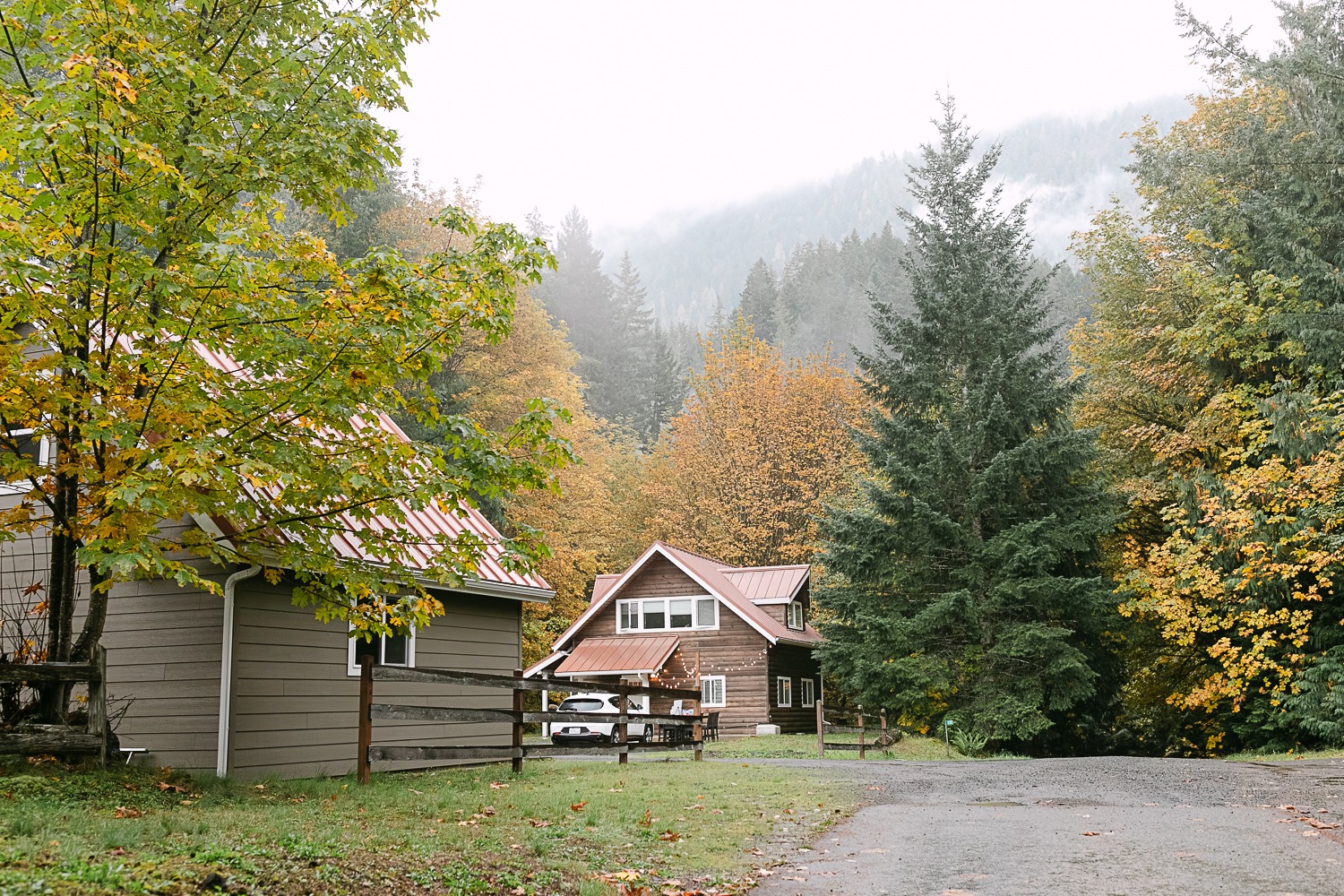
Port Angeles has charming spaces perfect for a microwedding before heading into the park for your adventure ceremony. Some venues allow small indoor receptions, which is great if the weather doesn’t cooperate. Some favorite Venues: Agate Beach Lodge (check out a blog HERE), NatureBridge, Evermore Haven, Misty Clover Farm, Camp Beausite.
Florists, Officiants, and Hair & Makeup
I recommend working with vendors who are familiar with the park rules and remote locations. Florists who use minimal arrangements or portable bouquets work best, and officiants who are comfortable outdoors ensure a smooth ceremony. Some favorite vendors: Dannielle Robeson, Farm and Flower WA, A.E. Florals, Outshined Elopements.
Frequently Asked Questions About Eloping in Olympic National Park
Planning an elopement in a national park often comes with a lot of questions. From permits to weather and accessibility, understanding the logistics ahead of time helps create a smoother and more meaningful experience.
How do I get a permit to elope in Olympic National Park?
Apply online through the park’s official website, provide your ceremony details, and pay the required fee. Permits are location-specific and limited in number, so apply early.
What are the best beaches for a ceremony?
Lake Crescent, Rialto Beach, and La Push beaches are the most popular, but hidden gems like Kalaloch and Hoh Rainforest clearings are also stunning. As a local, we also have an extensive list of private, and lesser known options!
Can we have a small guest list?
Yes, most locations allow small gatherings, but make sure to check the permit restrictions on guest numbers. Our elopement packages include up to 15 guests, and microweddings up to 30.
Do we need a marriage license?
Marriage licenses must be obtained through the State of Washington prior to your ceremony.
When is the best time of year for photography?
Late spring through early fall offers the best weather, but sunrise or sunset photos in any season can be magical.
Eloping in Olympic National Park is about creating a day that feels intentional, meaningful, and deeply connected to the landscape around you. With the right planning and support, your elopement can feel relaxed, personal, and true to who you are as a couple.
If you’re dreaming of an Olympic National Park elopement and want guidance from someone who knows the park, the rules, and how to design a seamless experience, I’d love to help. From location guidance to timeline planning and photography, I’m here to support you every step of the way.
Reach out to start planning your Olympic National Park elopement and create a day that reflects your story.
Ready to Plan Your Olympic National Park Elopement?
If you’re dreaming of a truly unique wedding day, I help couples capture their love in the most magical parts of Olympic National Park. From permits to photo + video, and everything in between, I guide you through every step. Inquire HERE to start planning your 2026 adventure wedding today.

Be the first to comment